Pharmacy Operations
Cold Chain Basics for Vaccines and Insulin at Pharmacy Level

Quick answer
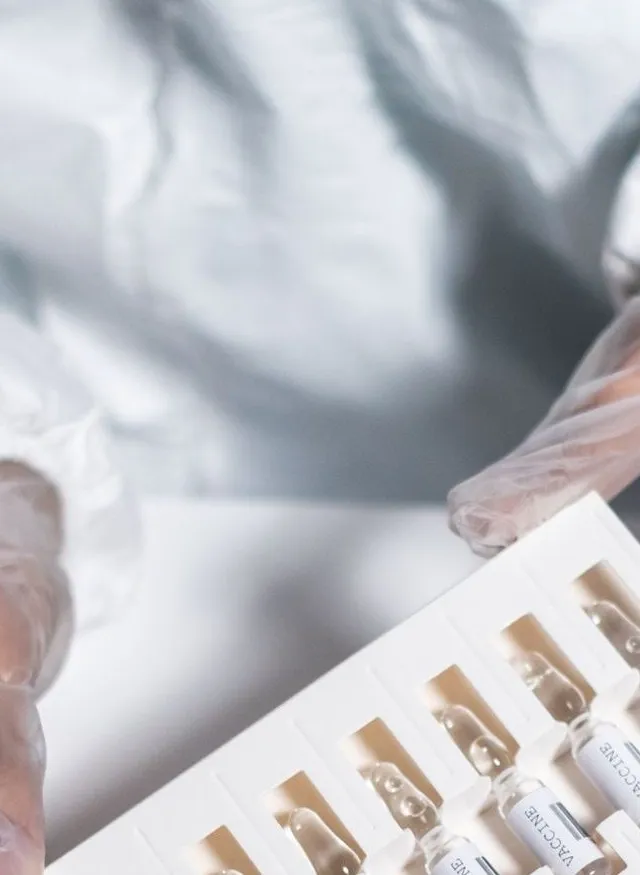
Vaccines and insulin need consistent, monitored refrigeration. Here are the basic cold chain practices every pharmacy handling them should follow.
Table of contents (8 sections)
Vaccines and insulin are among the most temperature-sensitive products a pharmacy handles. A break in the cold chain, even a short one, can affect how well these products work. This post covers general, practical cold chain basics for pharmacy-level storage. It is not medical advice, and pharmacies should always follow manufacturer instructions and any guidance from the relevant drug control authority for specific products.
What 'Cold Chain' Means at Pharmacy Level
Cold chain refers to keeping a temperature-sensitive product within its required range continuously, from the point it is manufactured through transport, storage and eventual dispensing. At the pharmacy level, this mainly comes down to how the product is stored once it reaches your store and how it is handled at the point of sale.
Storage Equipment
Most vaccines and insulin need to be stored between 2°C and 8°C, though it is important to check the specific product label, since ranges can differ. A few basics to keep in mind:
- Use a dedicated pharmaceutical or vaccine refrigerator rather than a standard household fridge, which is not designed for stable, monitored temperatures.
- Avoid storing these products in the door of the refrigerator, where temperature fluctuates the most.
- Leave adequate space between items so air can circulate evenly inside the unit.
- Never place these products in a freezer compartment unless the specific product instructions call for freezing.
Monitoring Temperature
Consistent monitoring is what actually protects the cold chain, not just having the right refrigerator. Good habits include:
- Checking and logging the refrigerator temperature at least twice a day, morning and evening.
- Using a calibrated thermometer, and replacing or recalibrating it periodically.
- Having a backup plan for power cuts, such as a generator, an inverter connection, or a plan to move stock to an alternate cold storage point if an outage is prolonged.
- Training more than one staff member on monitoring, so coverage does not depend on a single person.
Handling at the Counter
When dispensing vaccines or insulin, minimise the time the product spends outside refrigeration. Use insulated carry bags or cold boxes for the short trip from the fridge to the counter, and advise customers on how to transport the product home, especially in hot weather, so the cold chain is maintained after it leaves your store as well.
Receiving Stock From Your Distributor
When cold-chain products arrive from your distributor, check that they have been transported appropriately and move them into proper refrigeration immediately rather than leaving them at the counter. If you notice any sign that a shipment may have been exposed to inappropriate temperatures during transit, raise it with your distributor promptly rather than stocking the affected batch.
Building a Backup Plan
Power reliability varies significantly from one location to another, and pharmacies handling vaccines or insulin should plan for the possibility of an extended outage rather than assuming it will not happen. A written backup plan, covering who to call, where alternate cold storage is available nearby, and how stock will be transported there safely, is far more useful in the moment than trying to work it out during an actual outage.
Record Keeping
Maintaining a simple temperature log, whether on paper or in a basic spreadsheet, does two things: it gives you an early warning if temperatures start drifting outside the safe range, and it gives you a record to refer back to if a question ever arises about a particular batch. Reviewing these logs periodically, rather than only recording and filing them, helps you catch patterns such as a fridge that consistently runs warmer in the afternoon.
Training the Whole Team
Cold chain discipline should not depend on one person remembering to check the fridge. Make sure every staff member who might handle these products, including part-time or newly joined staff, understands the basic dos and don'ts: correct storage location, minimal time outside the fridge, and who to inform if something looks wrong.
Cold chain management is a routine discipline rather than a one-time setup. A simple, consistently followed monitoring system protects both the product and the patients who rely on it.